deepfakes
Understanding Deepfakes as a CTO
11/1/2023
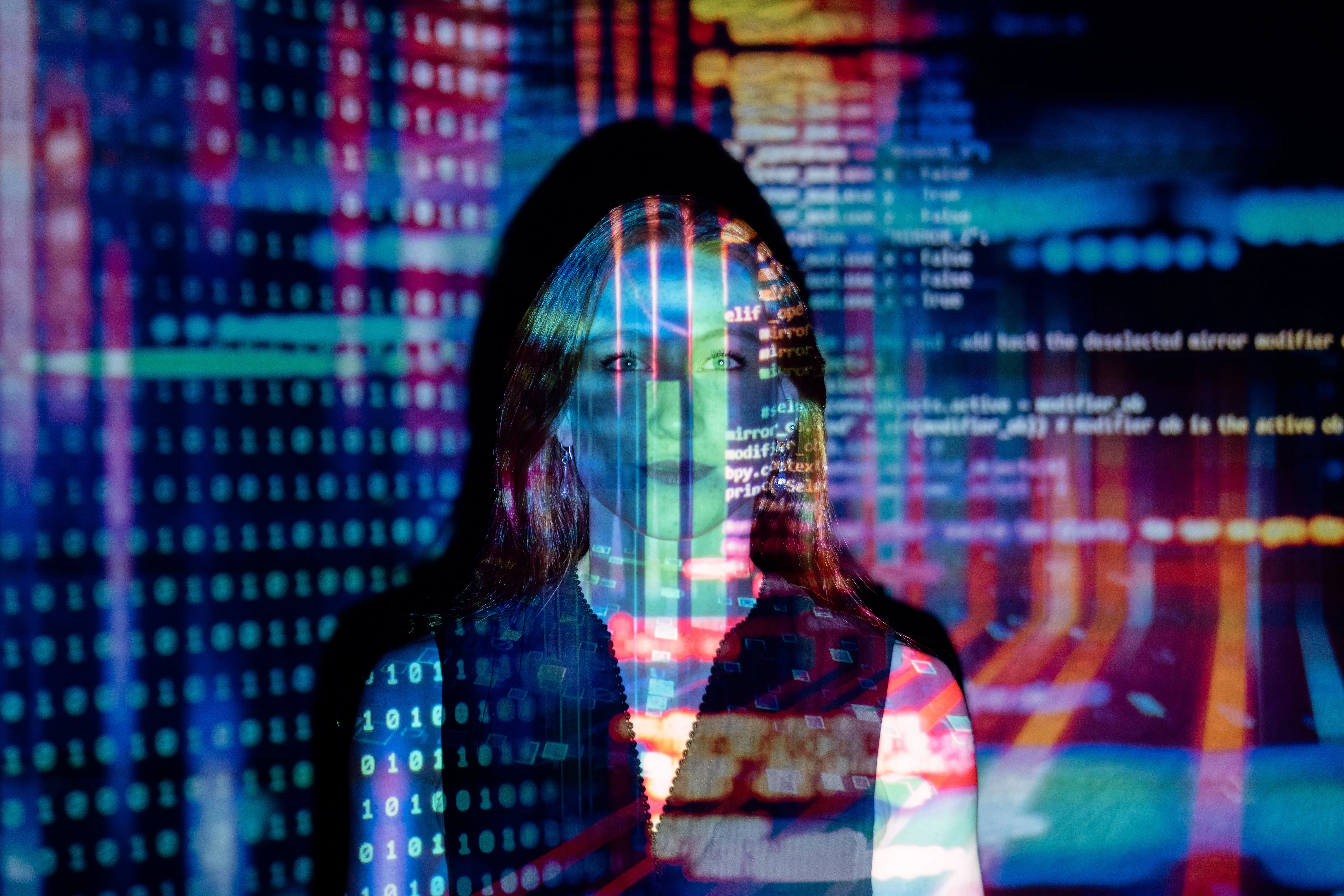
Deepfakes have been around for some time now, but they have recently gained increasing attention due to their potential to be used for malicious purposes, such as fraud, impersonation, and fake news dissemination. As a CTO, you might be wondering how these deepfakes are created, and what measures you can take to protect your organization against them. In this blog post, we will explore the creation of deepfakes and some of the techniques used to generate them.
What are deepfakes?
Deepfakes are artificial intelligence-powered videos or images that depict someone saying or doing something they haven't, often using the likeness of other people. They are created by training a machine learning algorithm on a dataset of images and videos of the target person. These algorithms then use a process called generative adversarial networks (GANs) to generate new content based on that training data.
How are deepfakes created?
Creating deepfakes starts with obtaining a large dataset of the target person's images and videos. This can be done by collecting publicly available data or by using more specialized scraping tools. Once the dataset is obtained, it is then used to train a machine learning algorithm and generate new deepfake content.
One of the most popular tools for creating deepfakes is called DeepFaceLab. It is an open-source project that has gained significant attention due to its ease of use and high-quality output. It uses a GAN to generate new images and videos based on the training data and can even synthesize new content based on slight variations of the initial images.
What are the risks of deepfakes?
The risks of deepfakes range from impersonation to defamation and even national security threats. They can be used to create fake news, defame individuals, impersonate political figures, or cause panic among the public. Deepfakes can also be used for phishing attacks, where the attacker impersonates someone the victim trusts, such as a friend or family member.
How can organizations protect against deepfakes?
Protecting your organization against deepfakes requires a multi-layered approach that involves both technology and employee training. Ensuring that your employees are aware of the risks of deepfakes and are trained to identify and report any suspicious activity can go a long way in preventing deepfake attacks.
Technologically, organizations can use tools such as Deepalana, a smart protection layer that can detect and mitigate deepfake phone calls in real-time. Deepalana uses AI-powered detection algorithms that are trained on a vast dataset of deepfake audio samples to accurately detect and block them. Once a detection is made, a forensic report is generated automatically, allowing organizations to take swift action against any deepfake attacks.
Conclusion:
In summary, deepfakes are a growing threat that warrants attention from CTOs. Understanding how they are created and their potential risks can help organizations take measures to protect themselves against these malicious attacks. By using a combination of employee training and technology such as Deepalana, organizations can mitigate the impact of deepfakes and ensure the safety of their data and personnel.